



Mineral materials of origin
The Natural Colors of Ruzhou
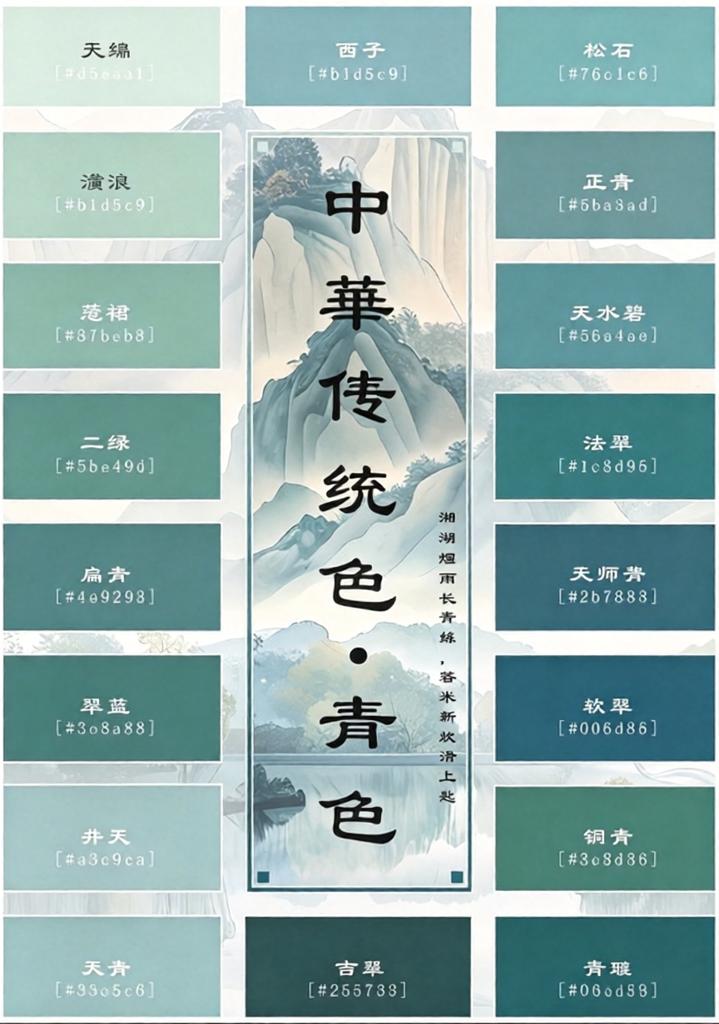
The distinctive, nuanced celadon glaze of Ru porcelain is made possible not only by masterful ceramic techniques, but also by minerals sourced from its place of origin.
Located in central Henan Province, Ruzhou has been an important center of Ru porcelain production since ancient times. For thousands of years, its mountains, soil, and mineral resources have been closely intertwined with the development of Ru porcelain. For Ru porcelain, raw materials are not merely the foundation of production—they are also an important source of each piece’s character.
From the Earth, Finished in the Kiln
Ru porcelain glaze is made by selecting, grinding, blending, and preparing natural mineral materials.
Ores from different origins vary in their mineral composition and trace elements. When fired at high temperatures, these differences can subtly affect the glaze’s color, texture, and sheen.
That is why Ru porcelain does not aim for simple, vivid color, but rather for a glaze with a soft, understated character and the gentle warmth of jade.
Minerals sourced from Ruzhou are carefully ground and blended by artisans, then refined by the intense heat of the kiln, ultimately becoming a wash of celadon over each piece.

Local Soil, Distinctive Glaze
The appeal of Ru porcelain comes in large part from its connection to the land.
From the mountains and mineral deposits of Ruzhou to the artisans’ handwork and the natural transformations within the kiln, every stage bears the mark of its place of origin.
The minerals come from nature; the glaze takes shape in the kiln.
Even with the same formula, different firing conditions can produce subtle variations in color and texture. This variation, impossible to reproduce exactly, is part of what makes traditional Ru porcelain so captivating.

Let the Land Become Part of the Piece
Turning a piece of Ru porcelain from clay into a finished work may seem like a simple transformation of materials, but in reality, it is a creation shaped jointly by nature and human hands.
Artisans select and blend the mineral materials from Ruzhou, then leave time and kiln fire to bring about the final transformation.
What remains is not just the piece itself, but also the colors of its native land, the warmth of the kiln, and the skills passed down through generations of artisans.
Sourced from Ruzhou and shaped by nature; crafted with care into celadon.
Each wash of celadon is a mark left by the land and the kiln fire together.
| Comparison | Traditional Ru Porcelain Glaze | Industrial Glaze |
|---|---|---|
| Glaze Source | Based on natural minerals and prepared using traditional formulas and techniques | Often uses industrially produced glazes that are processed and standardized in their proportions |
| How Glaze Color Forms | Glaze color is shaped by the clay body, glaze materials, kiln temperature, firing atmosphere, and other factors working together | More precise chemical proportions make glaze colors more consistent and easier to control |
| Color Variation | Not a single fixed color; even the same formula may produce subtle variations under different firing conditions, giving the glaze a more natural, lively character | Colors are relatively stable and uniform, making consistency easier to maintain in mass production |
| Glaze Texture | Seeks a warm, natural glaze surface, with sheen and depth that change during firing | Generally makes it easier to achieve a standardized, uniform surface |
| Crackle | Crackle patterns depend on the clay body, glaze, and firing conditions, resulting in natural variations in the texture | Crackle effects can be controlled through formulas and techniques, making patterns relatively easy to standardize |
| Firing Difficulty | Requires careful control of glaze materials, application thickness, temperature, and kiln atmosphere, with more variables during firing | More standardized formulas make it easier to achieve consistent process control |
| Differences Between Finished Pieces | Natural kiln effects mean each piece may have subtle variations | Mass-produced items are generally more consistent |
| Characteristics of the Technique | Emphasizes “glaze transformed by the kiln,” treating the natural effects of kiln firing as part of the work | Prioritizes color consistency, efficiency, and mass production |
| Core Values | Natural glaze + traditional techniques + kiln-fired variation | Industrial formulas + standardized production + consistent color |